Hazards of Ignoring Dead Trees: Your Guide to Tree Felling
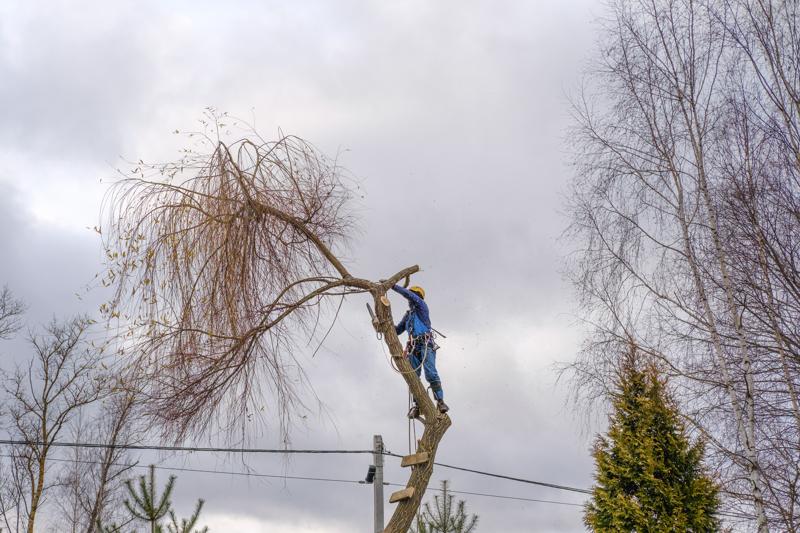
Tree removal is a complex and possibly dangerous job. If a tree has died or ill-healthed, or is at risk of falling, it may require removal to avoid damage to property and ensure safety. How do you know whether a tree should be removed? In this article, we’ll walk you through the signs to watch out at and guide you decide when it’s time to call the experts.
Dead or dying trees
One of the evident signs that a plant needs to be removed is when it is dying or dead. Dead trees do not have leaves and can appear lifeless. If a tree doesn’t have leaves or signs of new growth, it’s likely dead. Additionally, the bark of dead trees might be dry, cracked, or peeling.
Diseased Trees
Trees with diseases could pose a danger to other trees and plants within the vicinity. Common signs of disease in trees include dying leaves, wilted or yellowed branches, and mushrooms growing at the bottom and the top. If you suspect that your tree may be diseased it is important to have it inspected by a certified arborist.
Leaning Trees
Trees that are leaning to one side can be a sign it is a sign that the roots are failing, and the tree may be at risk of falling. To find out if a tree that is leaning is a danger, look for cracks or broken areas in the trunk and examine the soil at the tree’s base. If you notice any of these signs, it’s best to have the tree evaluated by an arborist.
Overhanging Branches
Overhanging branches of trees that are in close proximity to buildings or power lines could pose a threat to safety and property. If you have concerns regarding branches that hang overhanging It is recommended to be evaluated by an arborist to determine if removal or trimming is needed.
FAQs
What can I do to tell when a tree has died?
The tree will be considered to be dead if it does not have leaves and no evidence of growth. In addition, the bark of dead trees may be dry, cracked or peeling.
What are the signs of a tree that is diseased?
Common signs of illness in trees are dying leaves, wilted or yellowed branches, and mushroom growth at the base of the tree.
Is it safe to take down a tree yourself?
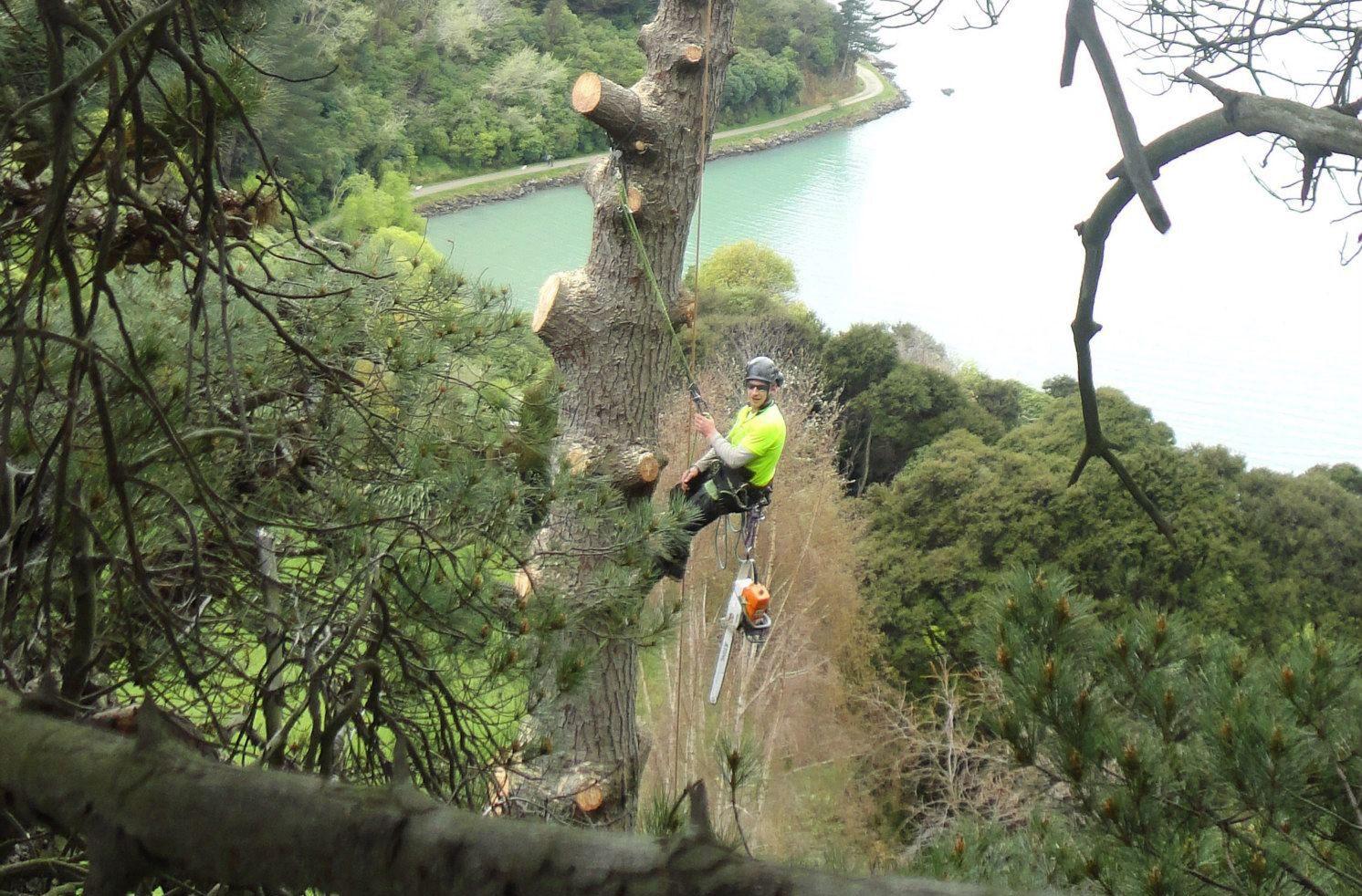
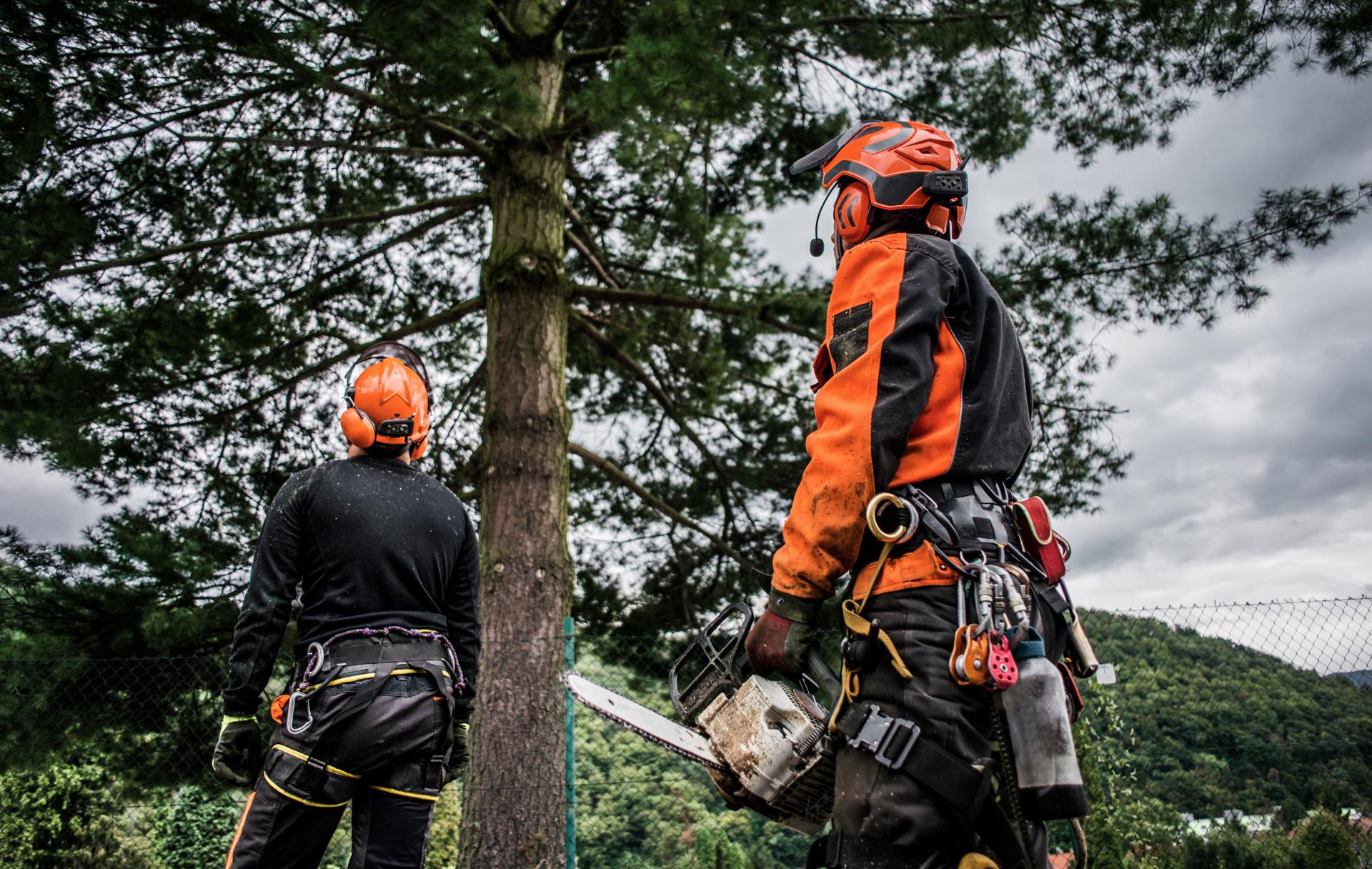
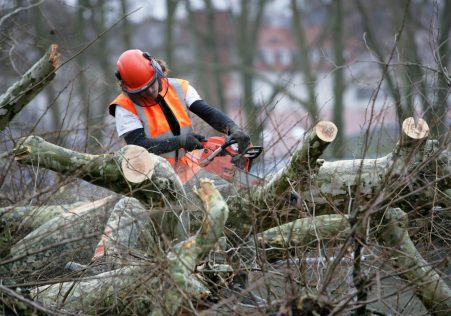
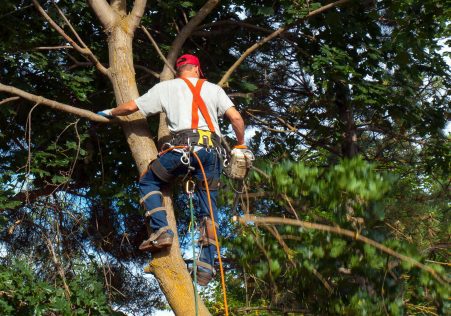
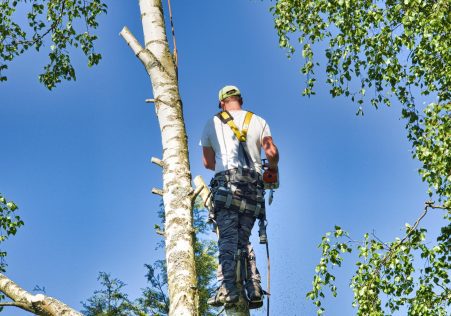
Tree removal is a difficult and dangerous task. It’s best to delegate it to the experts to protect yourself and others.
Conclusion
When you’re dealing with tree removal, it’s important to be able to recognize the indicators that indicate that a tree should be cut down. By being aware of the indications of dying or dead trees, diseased trees, overhanging or leaning branches and overhanging branches, you can take the necessary steps to protect your property and the people who live around you. If you think that a tree on your property requires removal and you are unsure, contact Christchurch Tree Services for a professional assessment. Our arborists are highly skilled and have the experience and equipment to meet your tree removal needs. Don’t risk your security. If you suspect that a tree on your property needs to be removed, please contact Christchurch Tree Services today for a professional evaluation. Our arborists are experienced and can provide you with the peace of mind that comes with knowing your property is in good hands. Call us now by dialing 0800 500 738 to schedule an appointment.